
Sectors
Aquaculture
Benthic Solutions (BSL) provides routine and specialist marine environmental surveys for fish farms and aquaculture sites.
We combine seabed imagery, environmental sampling and laboratory analysis to characterise site conditions, assess seabed impacts and evaluate interactions between aquaculture activities and the surrounding marine environment.
Our services support baseline assessments, operational monitoring and long-term environmental management. Survey programmes are tailored to site-specific conditions, habitat characteristics, project objectives and regulatory reporting requirements.
Establishing site conditions
A baseline survey describes the marine environment before an activity begins or provides a reference for future monitoring. Understanding seabed conditions and biological communities helps inform site assessment and the design of a monitoring programme.
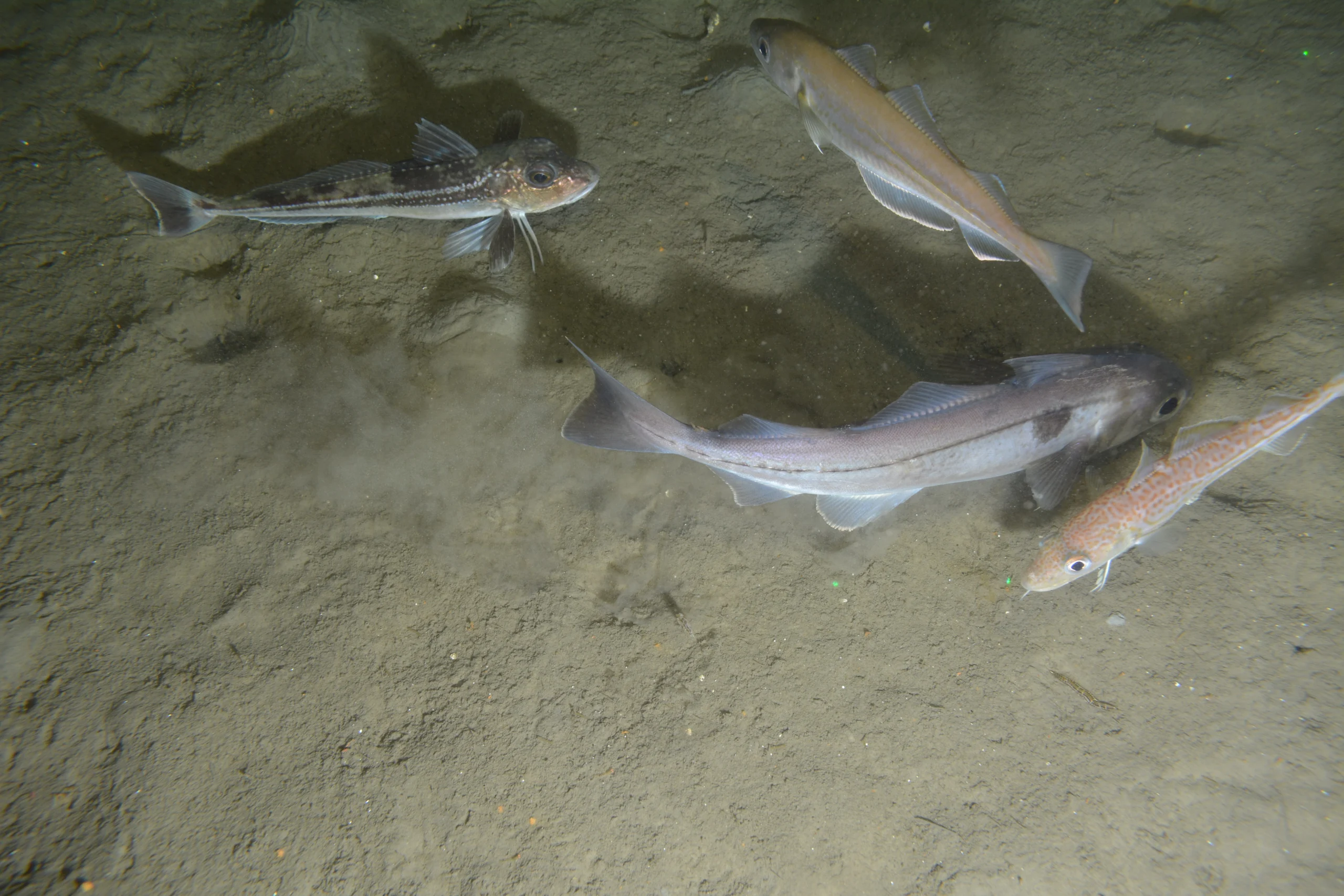
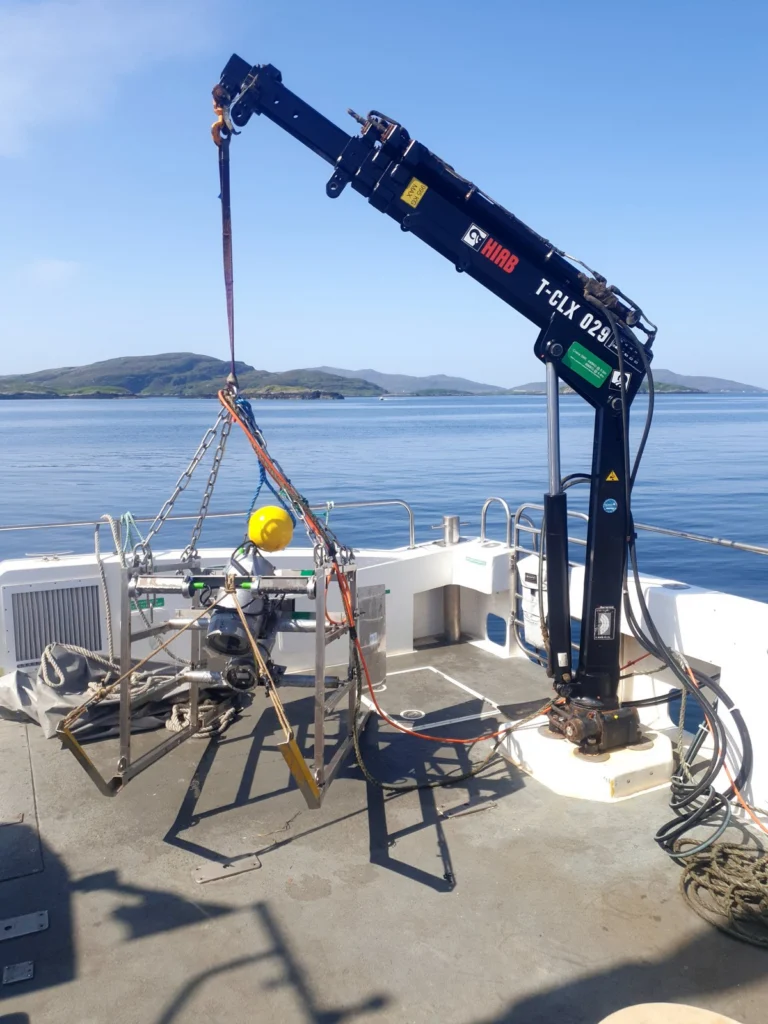
High-resolution underwater camera surveys record visible seabed conditions and communities. Grab sampling collects sediment and biological material for laboratory analysis, adding evidence about the organisms living within the seabed and the composition of the sediments.
Our Fish Farm Baseline & Monitoring Surveys service brings these methods together, with fieldwork, sample handling, analysis and interpretation planned around the site.
Assessing surrounding habitats
Aquaculture monitoring considers both the habitats surrounding an installation and conditions at individual sampling locations. BSL undertakes habitat assessments to identify sensitive features, characterise seabed communities and investigate environmental changes associated with aquaculture activities. We also provide recommendations for habitat protection and management strategies to minimise potential environmental impacts.
High-resolution sidescan sonar surveys provide detailed mapping of seabed habitats, underwater structures and debris, offering wider spatial context for site characterisation and impact assessments. Combined with seabed imagery and physical sampling, these techniques provide a more comprehensive understanding of site conditions and environmental change. Our Habitat Assessments & Biotope Mapping service provides further detail on habitat characterisation and reporting.
Long-term monitoring and eDNA
Repeated environmental surveys enable the assessment of changes over time, providing insight into sediment composition, seabed communities and water quality. Findings are evaluated alongside baseline data and previous survey results to identify trends and assess potential environmental impacts.
Environmental DNA (eDNA) analysis provides an additional approach to biodiversity monitoring through the detection of genetic material in water and sediment samples. This non-invasive technique complements conventional survey methods, helping to identify species presence and assess changes in marine biodiversity.
By integrating these datasets, BSL provides a comprehensive understanding of environmental change, supporting informed decision-making and the development of appropriate environmental management measures.
Analysis, reporting and regulatory advice
BSL interprets survey observations and analytical results to describe the conditions recorded and explain environmental changes. Our reporting supports clients in reviewing monitoring findings and planning subsequent surveys.
We provide guidance on local, national and international regulations governing aquaculture operations, including survey, permitting and reporting requirements, alongside advice on best practices for environmental stewardship. The scope of this advice is agreed around the site and proposed activities.
Discuss your aquaculture survey
Contact our team to discuss your fish farm or aquaculture site, available survey records and the questions your baseline or monitoring programme needs to address.