
Environmental Surveys
Fish Farm Baseline & Monitoring Surveys
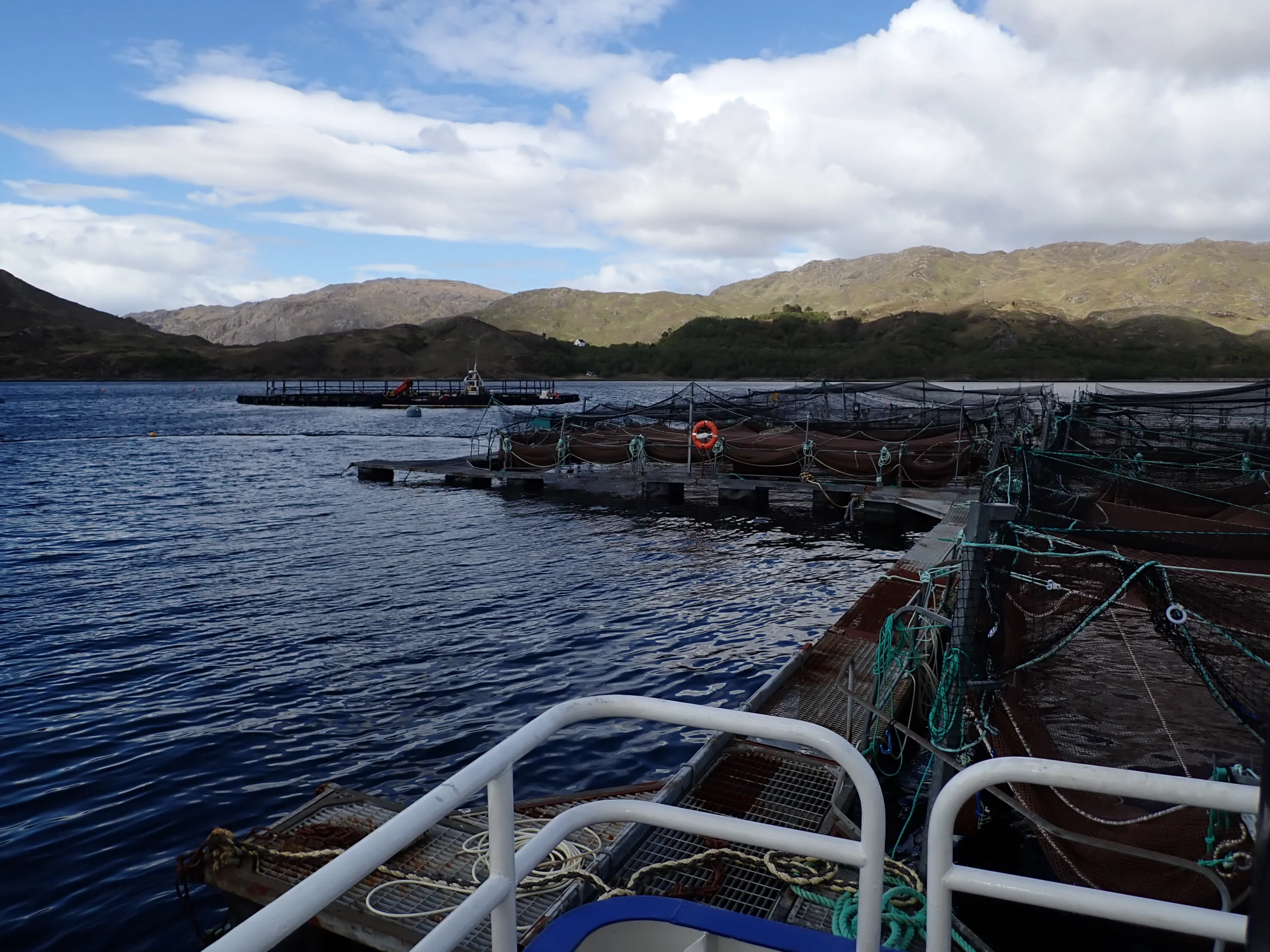
Benthic Solutions (BSL) provides routine and specialist environmental surveys for fish farms and aquaculture sites across the UK. We combine underwater imagery, seabed sampling and analysis to establish site conditions and assess environmental change around aquaculture installations.
Our services support baseline studies and long-term monitoring, with survey methods selected to suit the site, surrounding habitats and project objectives.
Establishing baseline conditions
A baseline survey describes the seabed habitats, sediments and biological communities within the survey area. It provides a reference against which subsequent monitoring results can be compared.
Camera surveys and grab sampling supply complementary evidence: imagery records visible seabed conditions and communities, while samples provide material for biological and sediment analysis. Habitat assessments place these observations in the context of the surrounding marine environment.
Camera surveys and seabed sampling
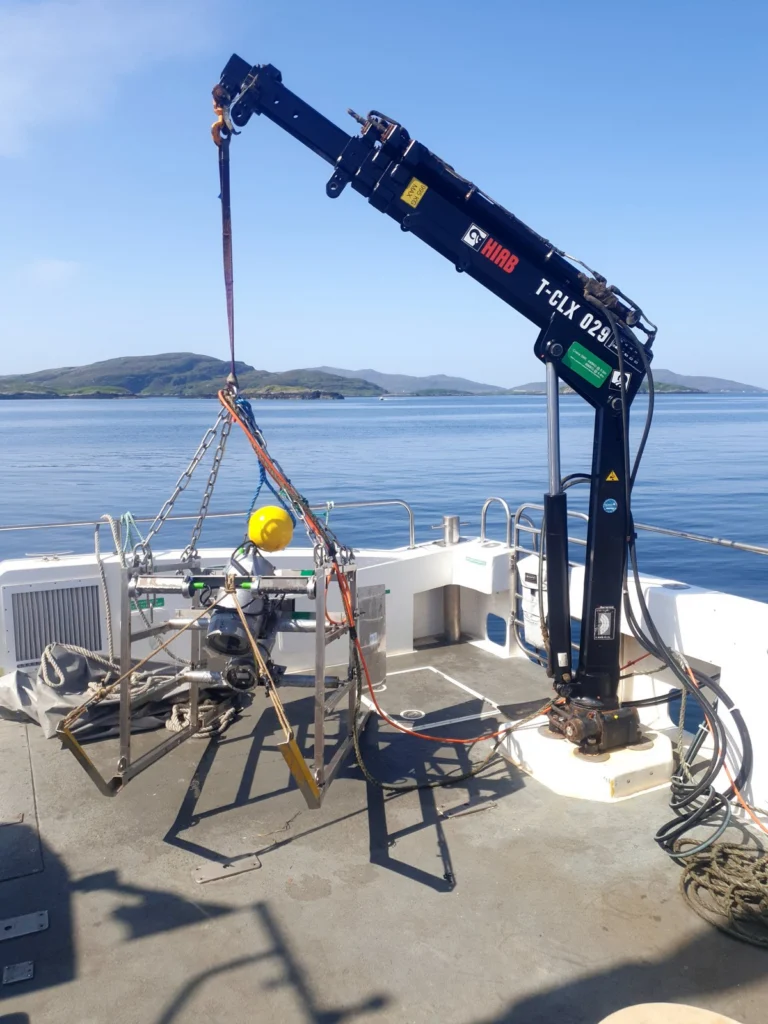
High-resolution underwater cameras document seabed conditions and biological communities around aquaculture sites. Grab samples are collected for laboratory analysis of sediments and the organisms living within them.
Sampling methods and equipment are selected for the conditions encountered. Offshore sample handling and quality control support the subsequent analysis and interpretation of the survey results.
Where required, sidescan sonar imagery adds wider spatial context. It can help map seabed habitats, underwater structures and debris, supporting site characterisation and the interpretation of camera and sampling observations.
Long-term environmental monitoring
Monitoring programmes assess how environmental conditions change over time and help evaluate the effects of fish farming on the surrounding marine environment.
Depending on the survey objectives, the work can cover sediment composition, benthic communities and water quality. Repeat survey results are interpreted alongside baseline information to identify changes and trends relevant to the site.
Habitat assessments can also examine changes in surrounding habitats, providing evidence to inform environmental management.
Environmental DNA monitoring
Environmental DNA (eDNA) analysis of water and sediment samples can complement conventional survey methods. It provides additional evidence of species presence and biodiversity, supporting the assessment of environmental conditions and change.
We consider eDNA alongside imagery, sampling and other analyses so that the monitoring approach addresses the site’s specific questions.
Analysis and reporting
BSL brings together survey observations and analytical results to describe site conditions and interpret environmental change. Our in-house capabilities include particle size analysis, marine macro-invertebrate identification and eDNA analysis, supported by a network of specialist laboratories.
The findings provide a basis for discussing monitoring results and environmental management requirements. We can also provide regulatory advice and survey planning support within the wider aquaculture service offering.
For surveys across other types of marine development, explore our Environmental Monitoring & Decommissioning Surveys.
Discuss your fish farm survey
Contact our team to discuss baseline or monitoring requirements for your aquaculture site, including existing survey information, surrounding habitats and the questions your programme needs to address.